
The first cold mornings of fall can bring back a familiar problem: sharp heel pain when you take your first steps out of bed.
Cold weather does not usually cause plantar fasciitis by itself. However, it can aggravate an already irritated plantar fascia. The strong band of tissue that runs from your heel to the base of your toes. Cooler temperatures, tighter calves, less daily movement, and sudden changes in footwear can all increase stress on the heel and arch.
The good news is that a few practical changes can help reduce fall flare-ups. Warming up before standing, stretching consistently, keeping your feet supported indoors, and managing activity gradually can all contribute to better plantar fasciitis relief.
Why does plantar fasciitis feel worse in cold weather?
Cold can make the fascia and calf muscles feel stiffer
The plantar fascia and calf muscles work together every time you walk. When your calf is tight, it can place more tension through the Achilles tendon and the bottom of the foot. That added pull increases strain where the plantar fascia attaches to the heel.
Cold temperatures can make muscles, tendons, and connective tissues feel less flexible. This is one reason your first steps may feel especially sharp on a chilly morning. The tissue has been still overnight, and the sudden combination of cold and weight-bearing creates a difficult transition.
Plantar fasciitis commonly causes pain after sleeping or sitting. The Cleveland Clinic explains that symptoms may include heel pain, arch pain, stiffness, and discomfort when standing after rest.
Circulation may be reduced
In cold conditions, blood vessels near the skin narrow. This process, called vasoconstriction, helps the body conserve heat but can make your feet feel colder and stiffer.
Reduced circulation is not the only cause of a flare-up, and cold weather research specific to plantar fasciitis is limited. Still, cold-related stiffness can make it harder for irritated tissue to loosen and recover. Keeping your feet warm and moving gently can help prepare them for activity.
Fall changes how you move
Summer often involves more casual walking, outdoor activities, and time in flexible footwear. When fall arrives, many people switch quickly to:
- Closed shoes or boots
- Thin slippers
- Bare feet on hard floors
- Longer periods of sitting indoors
- Cooler-weather running or walking routines
Each change can affect the amount of pressure placed on your feet. Hard floors and unsupportive slippers allow the arch to flatten more with each step. A sudden return to structured shoes or boots can also change how your foot and ankle move.
At the same time, shorter days may reduce incidental movement. You may walk less around the neighborhood, take fewer outdoor breaks, or spend more time sitting. As your daily movement decreases, your calf and foot muscles may become less prepared for sudden activity.

Who is most likely to experience a fall flare-up?
Some people are more vulnerable because their feet already manage higher levels of stress.
People who stand or walk all day
Nurses, teachers, retail workers, warehouse employees, restaurant staff, and service professionals may spend most of the day on hard surfaces. Repeated loading gives the plantar fascia less time to recover.
Cold floors, unsupportive work shoes, and long shifts can compound the problem. Even small changes in arch support and cushioning may make a noticeable difference over the course of a workday.
Runners returning to cold-weather training
Runners may transition from summer routes to colder pavement, trails, treadmills, or indoor tracks. Some also increase mileage to prepare for fall races or change shoes for winter conditions.
This is when “too much, too soon” can become a problem. Cold muscles need more time to warm up, and a sudden increase in distance, speed, hills, or frequency can overload the plantar fascia.
People with flat feet or fallen arches
Flat feet and fallen arches can change how the foot absorbs impact. As the arch lowers during each step, the plantar fascia may stretch repeatedly under load.
If you already need fallen arches support, a cold-weather routine should include consistent arch support rather than relying on occasional relief after pain begins.
How can you prevent plantar fasciitis pain before your first step?
Warm up before getting out of bed
Do not spring straight from sleep onto a cold floor. While still seated or lying down, spend one to two minutes moving your feet gently:
- Circle each ankle slowly in both directions.
- Point your toes away, then draw them gently toward your shins.
- Flex and relax your toes several times.
- Use your hands to gently pull the toes back on the affected foot for a light arch stretch.
- Put on warm socks before standing.
These movements do not need to be forceful. The goal is to gradually wake up the calf, ankle, and plantar fascia before they support your full body weight.
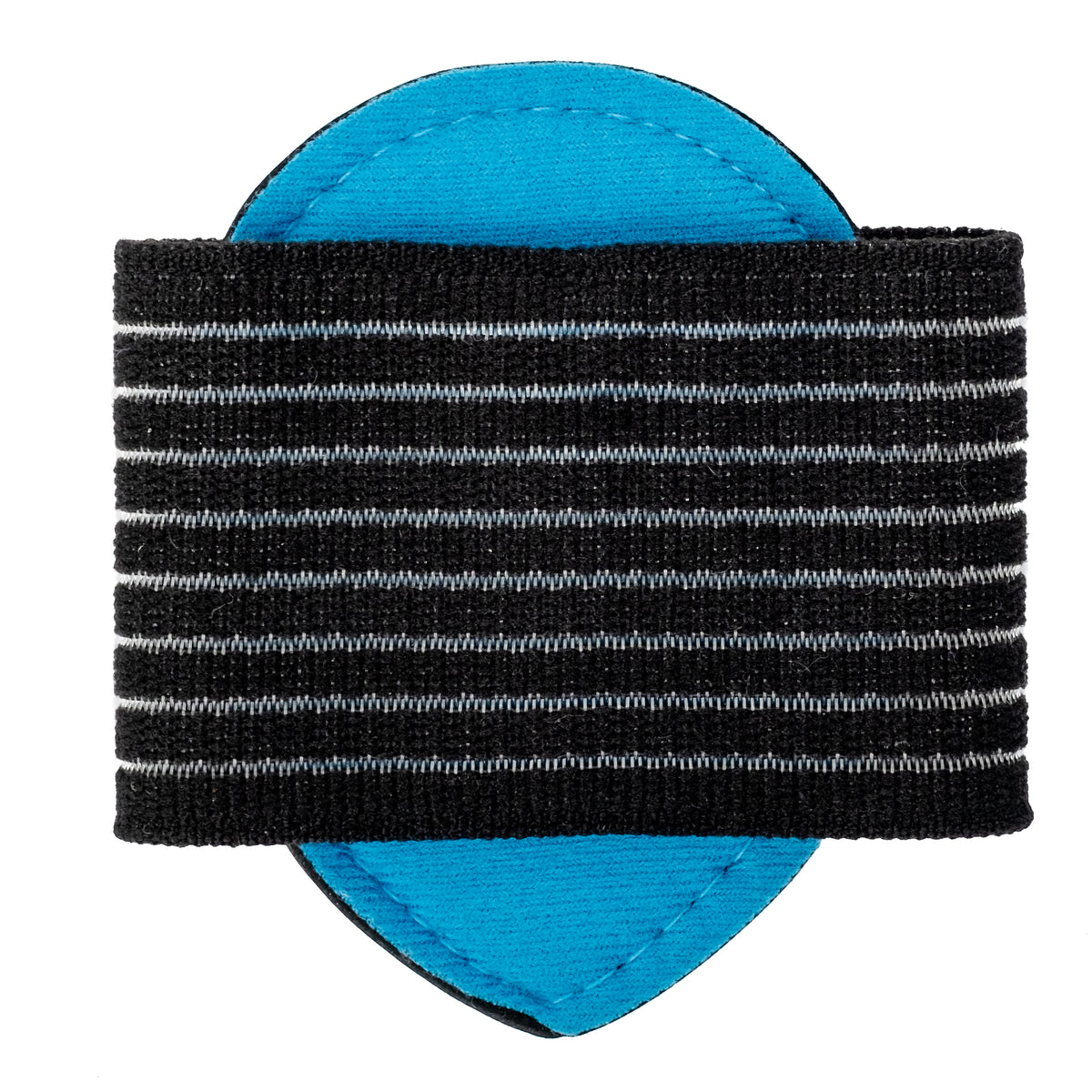
A support band can also be part of this routine. STRUTZ Sole Angels are cushioned arch support bands designed to be worn with or without shoes. They can provide a simple option for people who want arch support while moving around the bedroom, kitchen, or other parts of the house.
Use a short morning stretch routine
After warming up, try this simple sequence:
- Wall calf stretch: Place one foot behind you with the heel down. Keep the back knee straight and lean gently toward the wall. Hold for 20 to 30 seconds, then switch sides.
- Bent-knee calf stretch: Repeat the wall stretch with the back knee slightly bent. This targets a deeper portion of the calf.
- Plantar fascia stretch: Sit, cross one ankle over the opposite knee, and gently pull the toes toward your shin. Hold for 15 to 20 seconds.
- Ankle circles: Complete 10 slow circles in each direction.
- Gentle calf raises: Rise onto both toes and lower slowly for 8 to 10 repetitions, as long as the movement does not increase pain.
Avoid bouncing or forcing a stretch. Perform the routine before your first extended walk and again after long periods of sitting.
How can you keep your feet warm and supported indoors?
Walking barefoot on cold, hard floors is a common fall trigger. Each step may place direct pressure on the heel and allow the arch to collapse without support.
Choose indoor footwear with:
- A firm, supportive sole
- Moderate cushioning
- A stable heel
- Room for your toes
- Built-in arch support or room for an arch support sleeve
Avoid flat slippers that bend easily in the middle. Socks may keep your feet warm, but they do not provide cushioning or arch control on hard floors.
STRUTZ Sole Angels can be worn under or over socks and with or without shoes, making them useful when you move between indoor footwear and bare feet. They are not a replacement for an evaluation or a complete treatment plan, but they can be included in a broader foot pain relief routine.
Can compression socks help during cold-weather recovery?
Compression socks provide graduated pressure, meaning the compression is usually greatest around the ankle and gradually decreases up the leg. This design may help support circulation and reduce the feeling of tired, heavy feet after long periods of standing or activity.
STRUTZ Compression Socks are designed with targeted support around the foot and calf. They may be useful for people who stand at work, travel, exercise, or experience foot and leg fatigue during colder months.
Compression socks are not a cure for plantar fasciitis, and they do not replace stretching or supportive footwear. If you have circulation problems, diabetes, significant swelling, numbness, or another vascular condition, ask a healthcare professional before using compression socks.

How should you adjust activity in the fall?
Manage your activity based on how your feet respond, not only on your planned schedule.
If you are returning to running, begin with a comfortable pace and shorter distances. Add only one variable at a time, such as distance or speed. Include a gradual warm-up walk before running, especially when temperatures are low.
If walking causes pain, choose softer surfaces when possible and avoid long, sudden hikes. Break extended standing into smaller periods with brief sitting or walking breaks. Your feet often tolerate several short bouts of activity better than one long session.
After exercise, use gentle calf stretching and consider elevating your feet if they feel tired. Ice may be appropriate after an activity-related flare-up, but do not apply ice directly to the skin.
When should you see a professional?
At-home plantar fasciitis treatment can help many people, but persistent or unusual pain deserves medical attention.
Contact a healthcare professional if:
- Heel or arch pain does not improve within about one week.
- Symptoms continue after two weeks of stretching, rest, and supportive footwear.
- Pain limits your ability to work, walk, or exercise.
- You cannot put weight on the foot normally.
- Your pain is severe, sudden, or different from previous plantar fasciitis symptoms.
- You notice significant swelling, bruising, numbness, or weakness.
- You may have experienced an injury or stress fracture.
A podiatrist, physical therapist, or primary care provider can confirm the diagnosis and recommend an individualized plan. Treatment may include targeted exercises, orthotics, night splints, temporary activity changes, or other options.
Cold weather may make plantar fasciitis more noticeable, but it does not have to control your fall routine. Warm your feet before standing, stretch your calves and fascia regularly, use supportive indoor footwear, and increase activity gradually. These small steps can help protect your arches and make plantar fasciitis relief more achievable throughout the season.